Tag Archives: #INwxReady

A weather safety tip you might not have thought of: Footwear

Photo of feet wearing flip-flops with red X superimposed. Flip-flops are poor footwear for severe weather days. Indiana Severe Weather Preparedness Week. #INWxReady #WRNSandals, especially flip-flops, which are so popular when the weather is warm, are poor choices for severe weather days.

My feet get warm easily. I have a pair of Chacos brand sandals that I wear almost every day during warm weather. But not on days that I might need to serve as a storm spotter.

If severe weather is coming our way, I usually change into a sturdy pair of ankle-supporting hunting boots I bought on sale at Cabela’s, even if I’ll be staying home during the storm.

Why? On word: debris.

National Weather Service photo

After a storm passes, I might have to walk through storm debris, which can include pieces of trees and pieces of buildings. The walking surface might be uneven. Some of the debris might have sharp edges.

I choose to protect my feet from all that, a practice I learned back in the 90s when I served as an emergency medical technician and communications technician on a Disaster Medical Assistance Team. It’s how I dressed my feet every day, even in tropical weather when assisting the victims of Hurricanes Andrew and Marilyn.

My advice: If you’re a storm spotter or storm chaser, get yourself a good pair of boots to wear anytime you’re in the field, even on hot, humid days. And no matter who you are, if you ever have to take shelter in your house from a coming storm, take the most protective footwear you have with you to the basement, interior room, etc. Put them on after the storm, before you step outside to survey the damage. Your feet will be much safer.
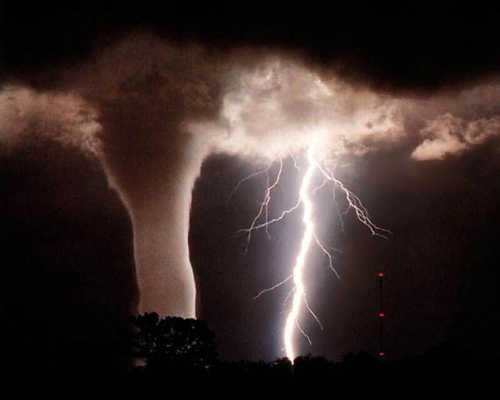
Severe weather watches and warnings: Do you really know the difference?

Tornado graphic for Indiana Severe Weather Preparedness Week 2015Governor Mike Pence has proclaimed March 15 through 21, 2015 as Severe Weather Preparedness Week in Indiana.

Throughout the week, I’ll use my “W9LW’s Ramblings” blog to help build awareness of important severe weather concepts that everyone should know.

If you’re a trained storm spotter, you’ll already know most of the stuff I’ll write about. In that case, I encourage you to use Indiana Severe Weather Preparedness Week to share this information with your family, friends and co-workers. After all, you are probably the closest thing to a weather expert who those folks know personally.

Today, I’ll start with one of the most basic of severe weather concepts, but also one of the most important; knowing the difference between a severe weather watch and a warning.

The National Weather Service (NWS) has used the term, “watch,” since August of 1965 but I still talk to people who don’t really understand what a watch is and others who refer to watches as warnings and warnings as watches.

Here’s a simple table to help you remember the difference. The information below applies to both tornado and severe thunderstorm warnings and watches.

Warning Watch
Your response Take shelter now! Remain alert, determine where you’ll take shelter if necessary
Meaning Severe weather is imminent, has been detected by radar and/or confirmed by trained weather spotters Conditions are favorable for the development of severe weather in and close to the watch area
Timeframe Minutes before danger arrives Usually hours before severe weather occurs
Geography Very local, sometimes less than a county, based on storm location and track Regional, multiple counties, often crossing state lines, based on atmospheric conditions

Bottom line: When the NWS issues a warning, it’s time to take action. Now. When the NWS issues a watch, it’s time to make sure you’ll know about a warning if one comes out later and time to make sure you know what you’ll do if a warning comes out.

Please share this! Do you know someone who doesn’t really understand watches and warnings? Use the buttons below to share a link with your social networks, etc.